Critical funding secured for the RCI
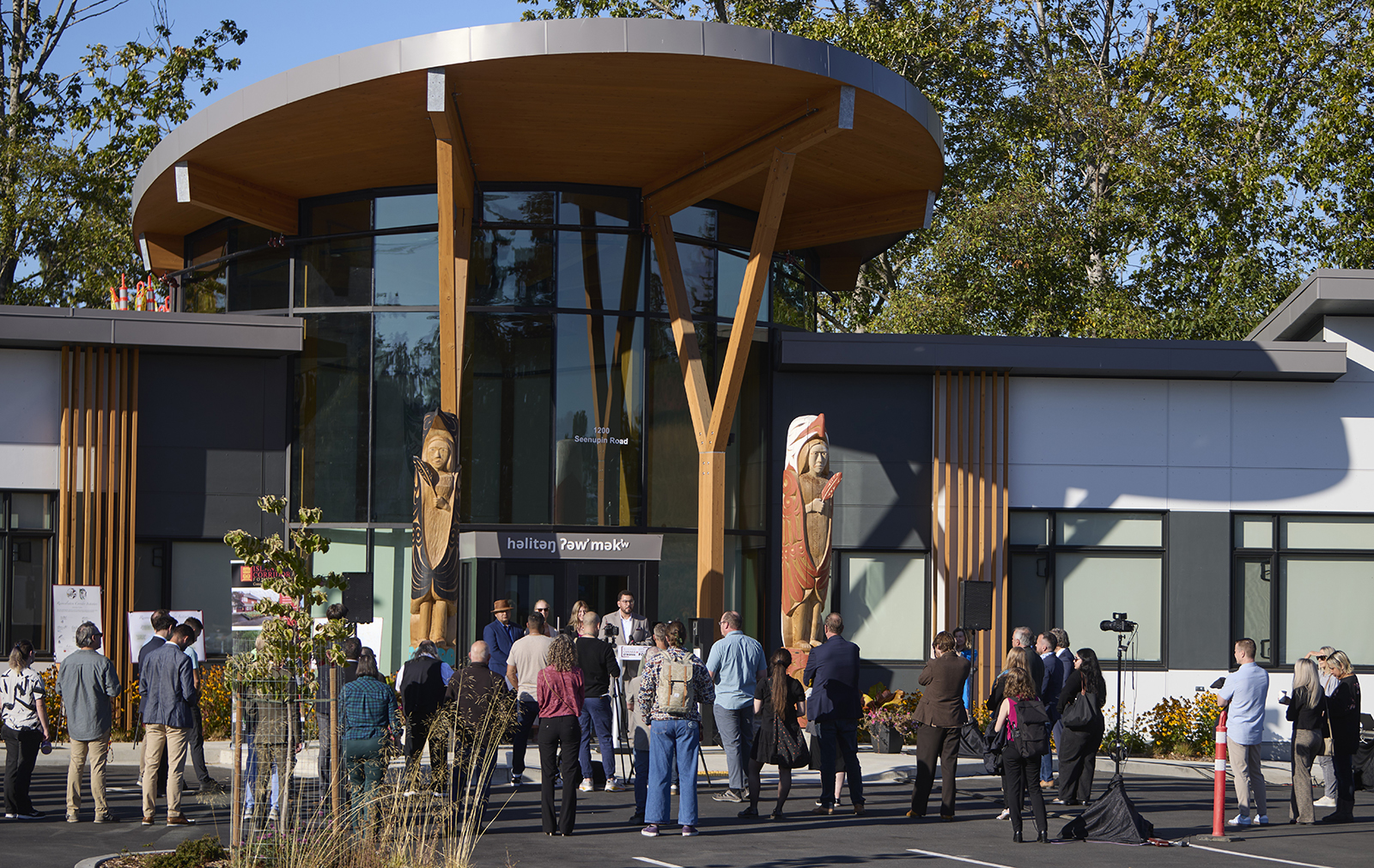
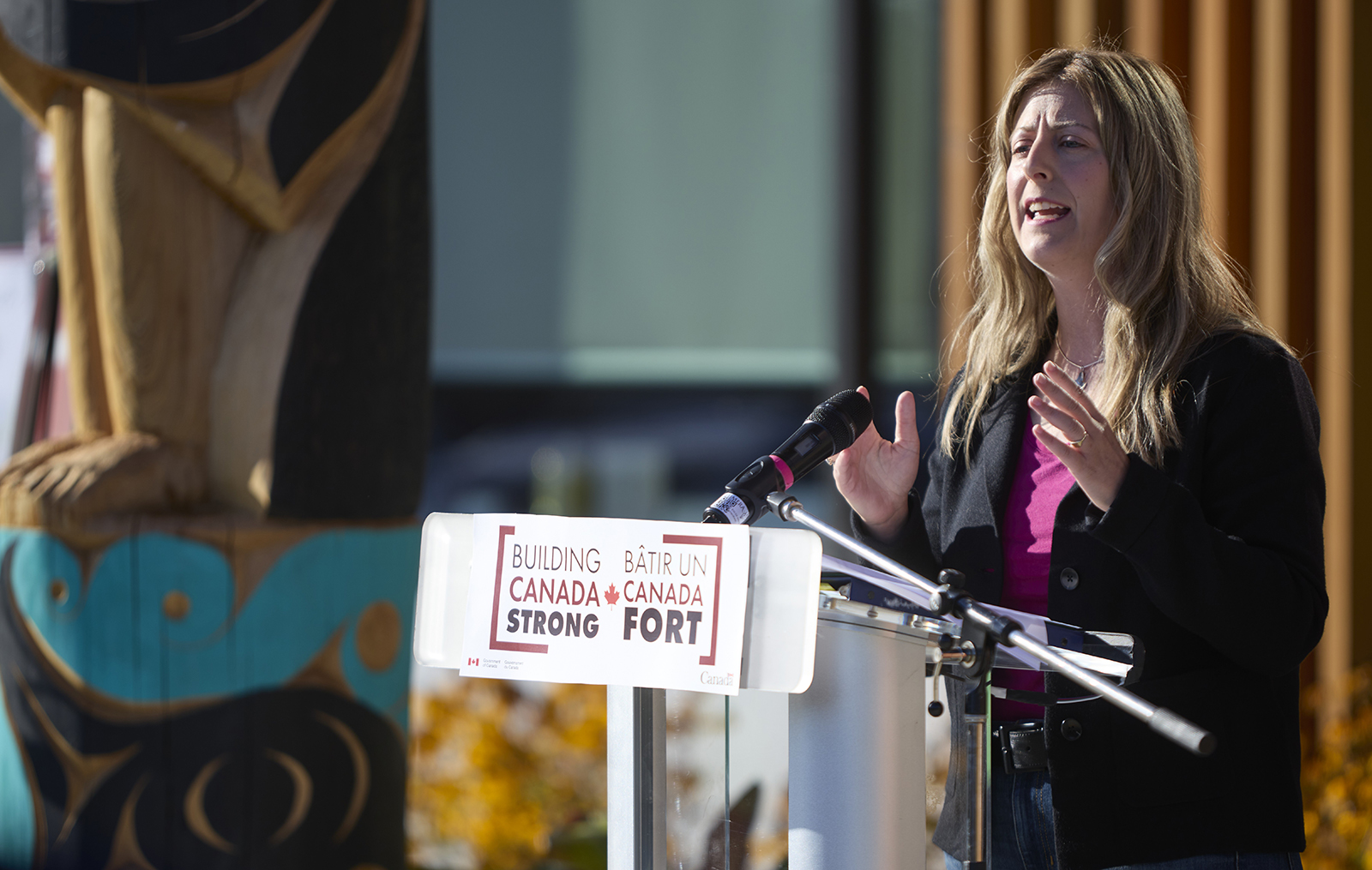
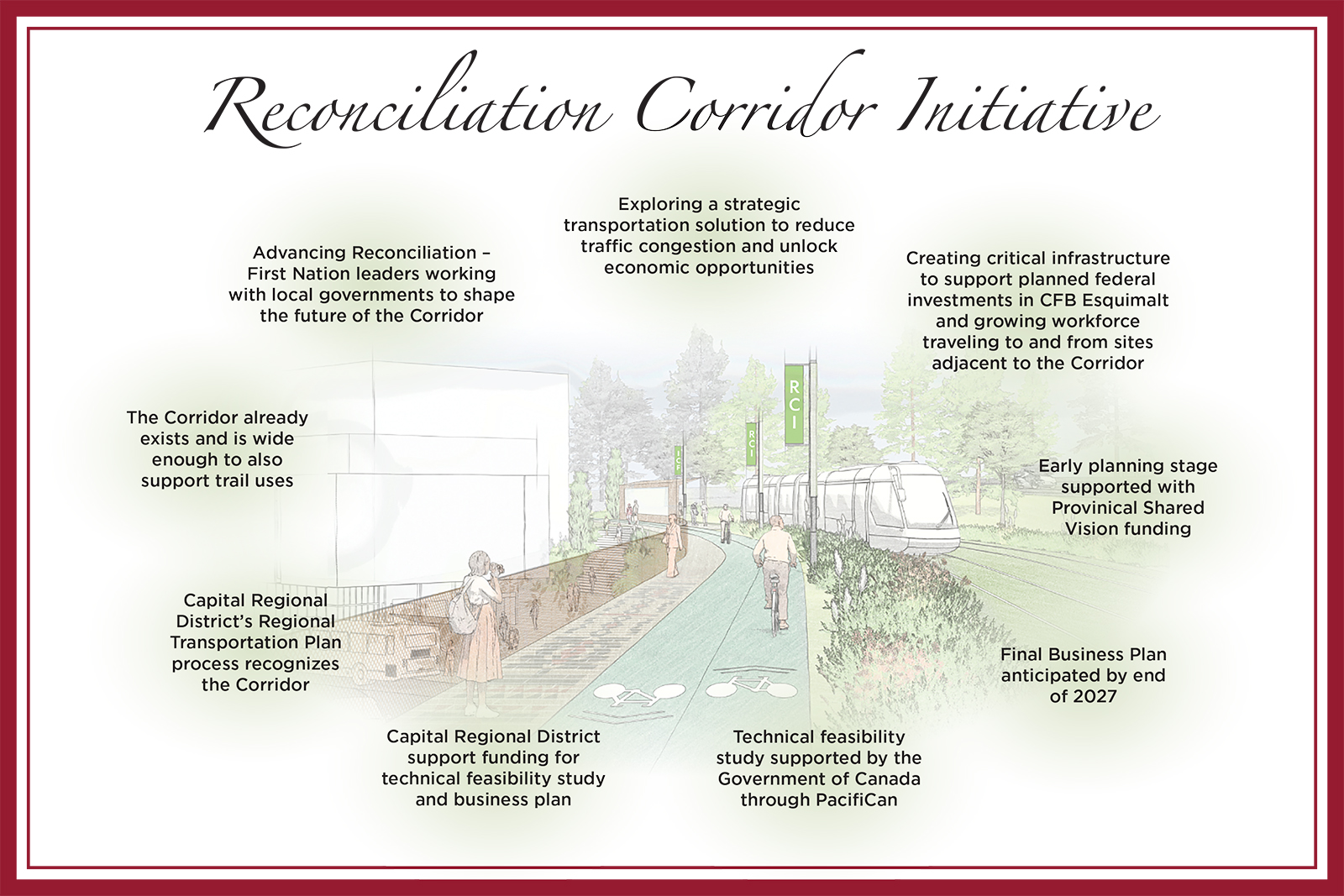
On 16 September 2026, the Honourable Stephanie McLean, Secretary of State (Seniors), on behalf of the Honourable Gregor Robertson, Minister of Housing and Infrastructure and Minister responsible for Pacific Economic Development Canada (PacifiCan), announced a PacifiCan investment of $500,000 for the Island Corridor Foundation to conduct feasibility and technical studies on potentially restoring rail service between Victoria West and Langford. PacifiCan’s investment will support a feasibility study including corridor planning, land use analysis, and engagement with communities and partners. The project will help identify potential economic opportunities for the Songhees and Esquimalt Nations and inform future decisions about passenger rail service in the Capital Regional District. The Capital Regional District is also investing over $500,000 in the Island Corridor Foundation’s rail feasibility study as part of a larger $1.7M commitment.
With the support of:


An Unprecedented Partnership
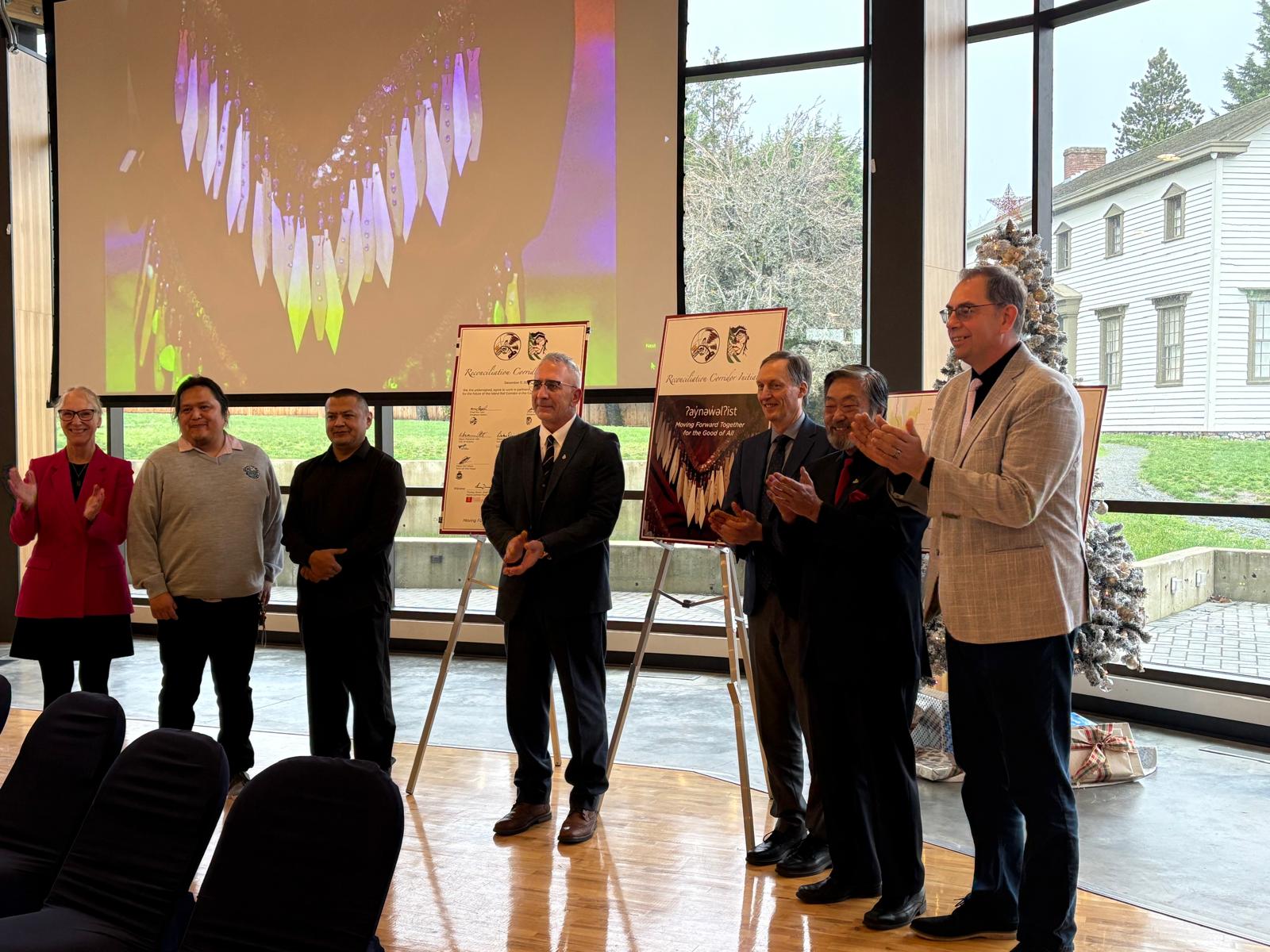
In December 2025, a partnership table of First Nations, the Capital Regional District and local governments announced that they were working together to explore the potential for passenger rail service in the Capital region, using the Island Rail Corridor between Langford and VicWest.
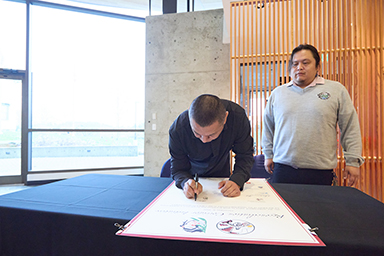
Esquimalt Nation and Songhees Nation representatives were joined by partners from the Capital Regional District, the City of Victoria, the Township of Esquimalt, the Town of View Royal, the City of Langford and the City of Colwood. Together, they signed a Reconciliation Corridor Agreement, marking their commitment to what is being described as a first-of-its-kind approach to regional transportation and community wellbeing.
Reconciliation in Action furthers Mutual Prosperity
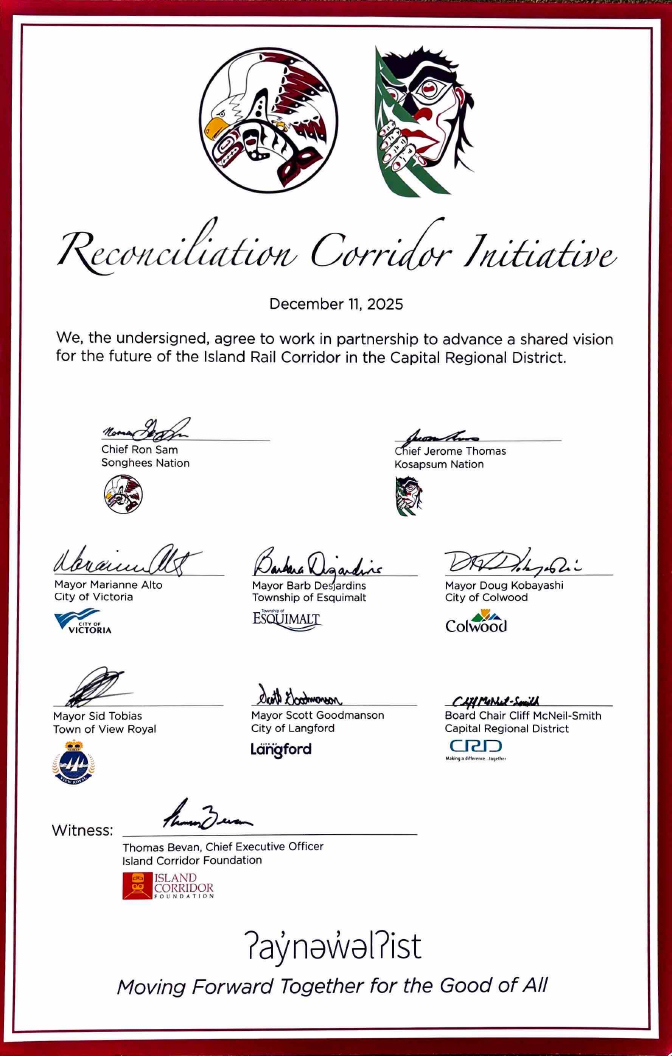 The Initiative recognizes the Island Rail Corridor as an important regional asset and a potential catalyst for achieving mutual prosperity. The parties are exploring how the Corridor can address transportation challenges in the region and improve connectivity to major employers, including CFB Esquimalt and the Esquimalt Graving Dock.
To address historic wrongs, a key element of this vision is the realignment of the Corridor to ensure it no longer bisects existing residential areas of Esquimalt Nation’s reserve lands. That part of the Corridor would be remediated and returned to the Nation. In addition, the partners committed to exploring broader opportunities – such as transit-oriented development and economic development opportunities for the Nations — along the Corridor.
Next Steps
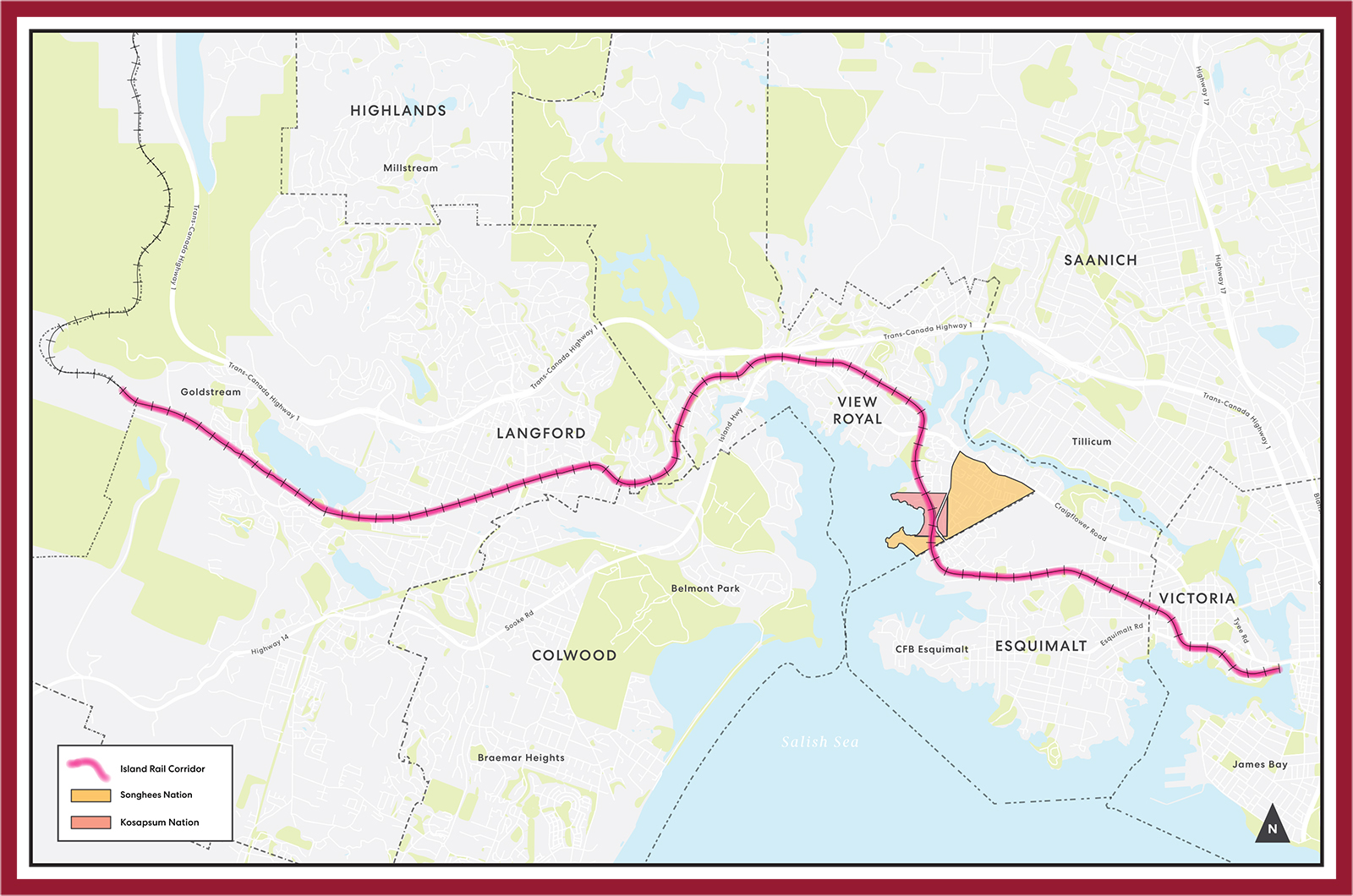
The Initiative partners are commissioning a technical study to examine the technical details of restoring rail service, including realignment considerations, transit-oriented development opportunities, and the financial and technical feasibility of a passenger rail service leading to a full business case by the end of 2027.
At this stage, no specific outcome is being endorsed or predetermined. The focus is on gathering the information required to make informed, evidence-based decisions that reflect community needs and obligations.
What’s Different
While there have been numerous technical studies done of the Island Corridor in the past, none have brought parties together to discuss the transportation issues of the region with First Nation leadership and within a framework of reconciliation, considering how the troubled history of the Corridor could be overcome for mutual benefit.
This project is also uniquely focussed on the section of the Island Corridor just in the Capital region, with an emphasis on light rail passenger service rather than on “heavy” rail. For the first time, the initiative explores the potential for implementing a tangible, focused project, including opportunities for transit-oriented development.
Governance
The RCI is governed through a Steering Committee of senior leaders from the region, who provide strategic guidance for the project. Island Corridor Foundation staff provide project management services for the RCI, with the assistance of a multi-party Working Group. The RCI partners are currently advised by transportation consultant The Stewart Group and are working with the international engineering firm HDR on a technical feasibility study.
Quotes from the December 2025 Announcement
 “This is a historic day; one filled with hope and the opportunity to correct some of the wrongs in our shared history. The Island Rail Corridor has bisected our reserve land and traditional territory for more than 100 years and we are now taking meaningful steps toward reconciliation.
Our working group is grounded in community-led decision-making, which recognizes our title to the corridor lands and focuses on how these lands, guided by our Nations, can help improve public transportation for the benefit of everyone.”
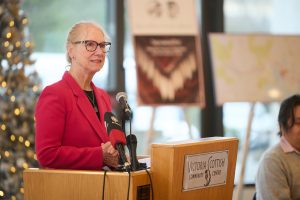 “The Township of Esquimalt is grateful to the Esquimalt and Songhees Nations for providing leadership and a pathway forward that teaches us all how to understand the opportunity to use this rail corridor in the CRD.
With reconciliation as our focus, we can build stronger relationships for other regional needs and create a potential model for beneficial use of the whole corridor.”
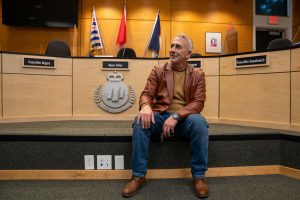 “Today’s announcement is a precedent-setting moment where Indigenous leadership is the catalyst for the development of an informed and inspired vision for the rail corridor that will promote community wellbeing and shared prosperity for all citizens.
Our region is growing. Our roads are slowing. Our climate is struggling. Our challenges are not hypothetical—they are here, now, and measurable. The Town of View Royal is proud to stand with the Lekwungen Nations and our municipal colleagues in support of the Reconciliation Corridor Initiative.”
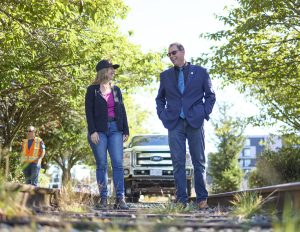 “Langford is honoured to work with the Lekwungen Nations and local governments on the Reconciliation Corridor initiative.
This project aims to improve transportation options, support economic growth, and strengthen communities. We are working together to create a shared vision for the Island Rail Corridor that will deliver long-term benefits to the whole region.”
 “The City of Victoria remains committed to reconciliation with our First Nations partners. Our inclusion in this agreement demonstrates our respect for the Lekwungen Nations’ right to determine the use of their current lands and to lead an exploration of one aspect of a regional transportation strategy that will provide economic vitality and community wellbeing for all.”
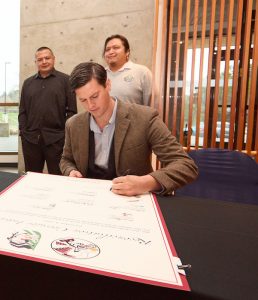 “It has been a privilege to witness the creation of the Reconciliation Corridor Initiative. It has taken the will, creativity, patience, and respect of everyone involved to get to this unprecedented convergence of intention and purpose. The Corridor is an irreplaceable resource that has the potential to unite regions in this manner all along the Island Rail Corridor.”